What actually happens at a bunkasai
Last updated: Sep 15, 2026
We went through the 2025 programs of 18 of the biggest university festivals on our calendar, plus the reports written about them, and counted what was there. This is what you can expect at almost any of them, what only some have, and the ten things you will not see anywhere else.
At every festival
🍜 Food stalls (18 of 18)
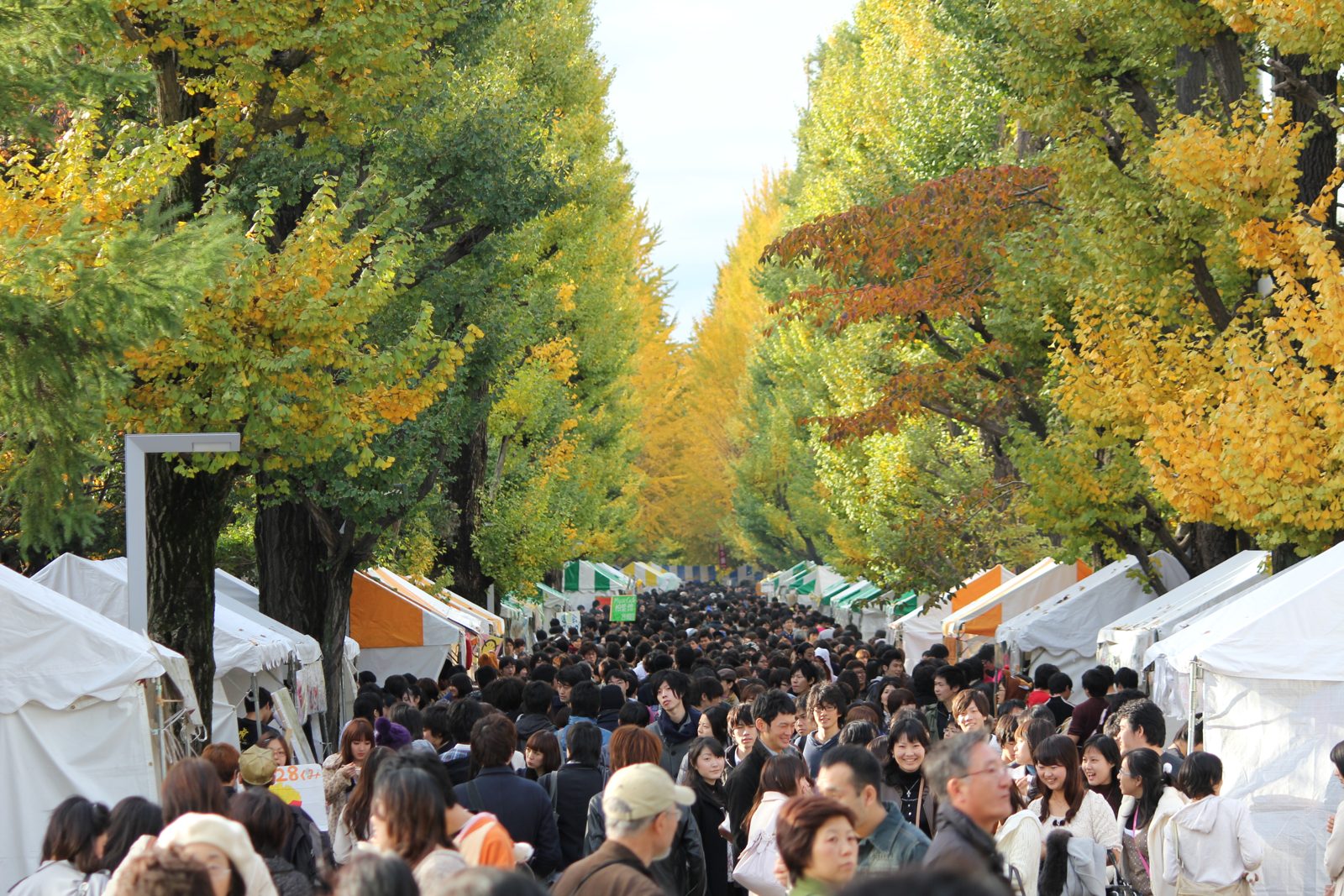
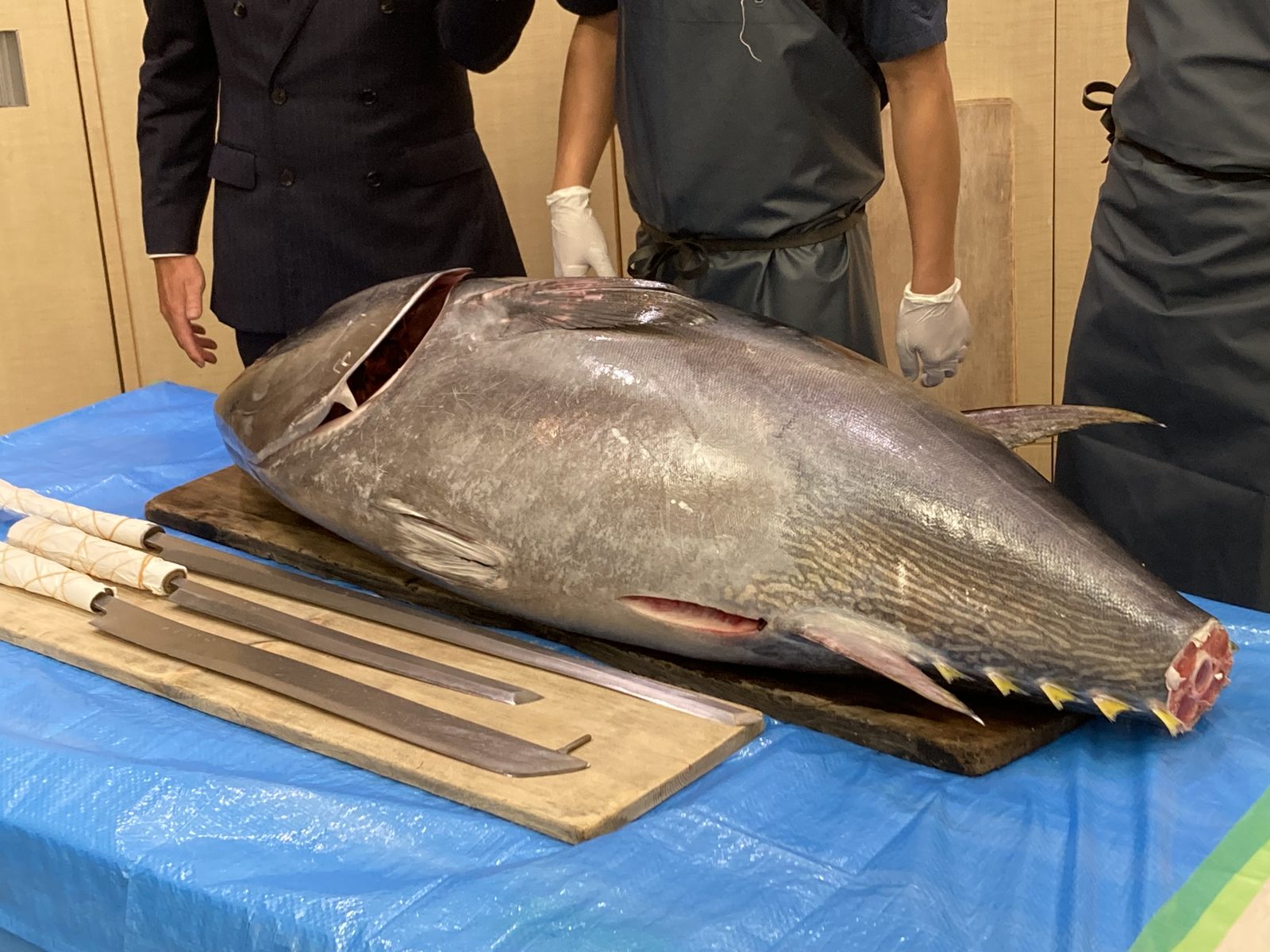
In Japanese they are mogiten (模擬店, literally "mock shops"): temporary shops run by a club or a class for the festival, almost always selling food. You will see the word on every campus map. Not one festival skips them. Clubs and classes sell yakisoba, takoyaki, karaage, crepes and hot sweet drinks from tents for 200-600 yen, and the money funds the club for the year. The current fashion is the stall contest: visitors vote on taste, decoration and service at Wasedasai (85 stalls, "Yatakon"), Jishu Hoseisai (Stall Grand Prix), Ikkyosai and Mitasai. The biggest line-ups are Waseda, the Harvest Festival (70-80 stalls, many selling vegetables the students grew) and Gaigosai (about 30 stalls, one per country). For seafood, the ocean university's Umitakasai cuts up a whole tuna on stage, ten minutes from Shinagawa Station.
🎸 Stages (18 of 18)
Dance crews, bands, a cappella groups and cheer squads, usually on an outdoor stage in front of the main building. Outdoor stages are free to watch and nobody checks tickets. Wasedasai runs seven stages at once; Ikkyosai has an evening stage on all three nights.
🎤 A celebrity guest (14 of 18)
Most festivals book a comedian, a voice actor, a band or a TV personality for one talk show or live show. In 2025 comedy duos were the trend. These are often free but ticketed by lottery, and the names change every year, so treat it as a bonus rather than a reason to go. The science and national universities (Koudaisai, Nodai, Gaigosai, Komabasai) rely on guests the least.
🖼 Exhibitions and classroom projects (13 of 18)
Art, photography and film clubs take over classrooms. At Nichigeisai the exhibitions and screenings are the whole point; at most festivals they are the quiet rooms where you catch your breath. For the full art school experience, go to Musashino Art University Festival or Tama Art University Festival, where every studio is open and students sell their own work.
🎆 A closing night (12 of 18)
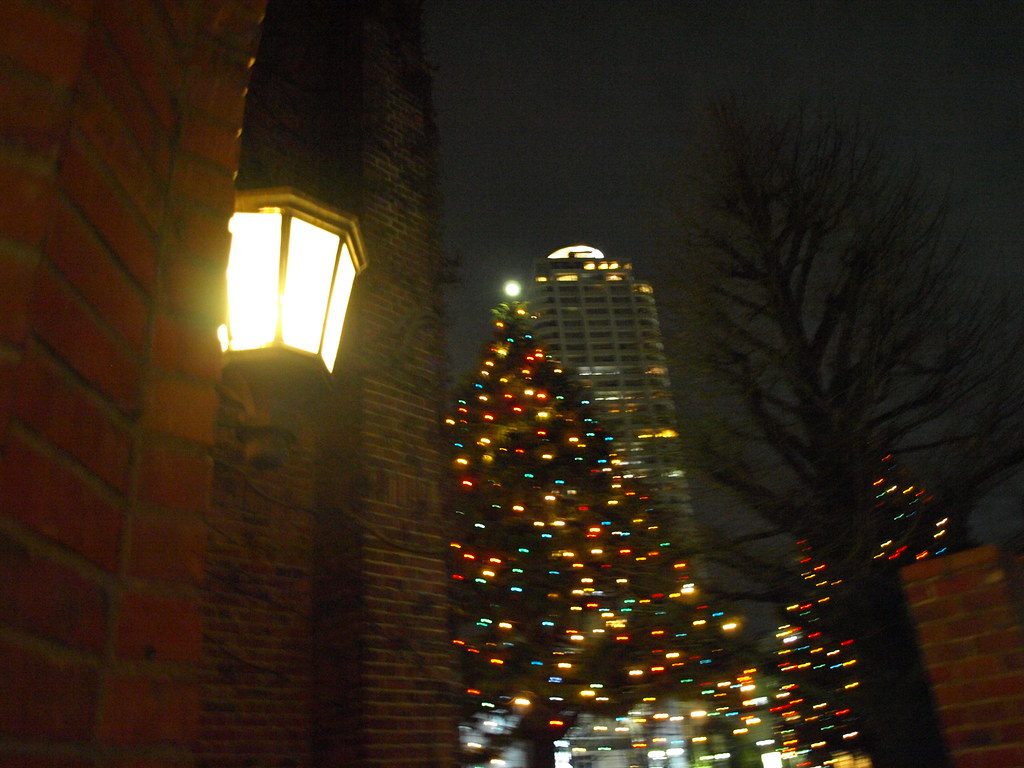
A finale on the last evening with a stage show and a prize draw. Fireworks at Jishu Hoseisai and Keyakisai; illuminations and a candle road at St. Paul's Festival; an opening-night concert at Wasedasai and Sophia Festival.
At about half of them
🔬 Open labs and student research (8 of 18)
This is the part visitors from abroad rarely know about. At Koudaisai around 40 research labs open their doors. Ridaisai runs a hands-on science workshop with a superconducting coaster. Komabasai has seminar presentations and ten-minute research talks, Ikkyosai a seminar presentation contest, Kiinsai four mock lectures. Mostly at science and national universities; rare at the private humanities schools.
🧒 Programs for children (8 of 18)
Game corners with slime-making and ring toss (Kiinsai, Ohrinsai), science experiments (Ridaisai), a parent-and-child program at Gaigosai, the petting zoo at Hakumonsai. Festivals are family outings for the neighbourhood, and children are welcome everywhere.
🥬 Produce and flea markets (5 of 18)
Only the Harvest Festival sells vegetables, honey and miso made by students. Flea markets at Koudaisai, Keyakisai and Kiinsai.
Rarer than you would think
👑 Beauty contests (5 of 18)
Miss and Mister contests survive at Keio, Aoyama Gakuin, Sophia Festival and St. Paul's Festival, and the first two are famous as launch pads for TV announcers. Waseda abolished its contest in 2003 and replaced it with a fashion show with no ranking. Elsewhere they have quietly disappeared.
🎭 Plays (4 of 18)
Gaigosai is the one to see: plays in 26 languages with student-made subtitles. Theatre departments perform at Nichigeisai and Wasedasai.
☕ Classroom cafes and 👻 haunted houses
The maid cafe and the haunted classroom you saw in anime are high school things. We read the full 2025 program of Wasedasai (450 events, 58 pages) and found no haunted house at all, and exactly one maid cafe: a "maid and butler cafe" run by the university's cross-dressing society. The cafes that do exist are usually a club's take on the idea, like a jazz cafe with live music run by the orchestra, or a classical-music cafe. Two or three per festival at most. Come for the stalls and the stages, and treat a cafe as a lucky find.
Ten things you will not see anywhere else
- The Daikon Dance — Harvest Festival (Fri, Oct 30 – Sun, Nov 1)
The cheer squad of the agricultural university dances in black uniforms with a white radish in each hand. It has been going for the better part of a century, happens once, on the last day, and is the reason 100,000 people come to a festival in a residential suburb. - Plays in 26 languages and food from about 30 countries — Gaigosai (Thu, Nov 19 – Mon, Nov 23)
Second-year students at the foreign studies university write, subtitle and stage a play in the language they are learning. First-years cook the food of that region. Uzbek plov and Mongolian dumplings next to yakisoba, for five days. - Wild boar sausages and a bone exhibition — Komabasai (Sat, Nov 21 – Mon, Nov 23)
At the University of Tokyo, a seminar hands out sausages the students made from wild boar culled for crop protection, and the hunting club shows deer skeletons and replica rifles. On the same lawn, a dance troupe performs in anime character costume. - Forty research labs open their doors — Koudaisai (Sat, Oct 10 – Sun, Oct 11)
The science university's festival is closer to an open lab day than a fair: around 40 laboratories let anyone in to see what they are working on, alongside a Lego club and a railway club. Robots and rockets are a fair bet. - A petting zoo on a hillside campus — Hakumonsai (Sat, Oct 31 – Tue, Nov 3)
In 2025 Chuo University's committee set up a small-animal zoo with rabbits and chicks on the central plaza. The festival runs four days and you arrive by monorail. - An art school that turns into a club after dark — Nichigeisai (Sun, Nov 1 – Tue, Nov 3)
Nihon University's College of Art shows student films, photography, theatre and magazines all day. On the second evening the courtyard becomes a dance floor run by student DJs, sponsored by Red Bull. - Fireworks and soap bubbles over a castle moat — Jishu Hoseisai (Sat, Oct 31 – Tue, Nov 3)
Hosei's closing night in central Tokyo: the winner of the stall grand prix is announced, the cheer squad performs, and then thousands of soap bubbles and fireworks go up over the old moat of Edo Castle. - A festival that spills into a 1926 station building — Ikkyosai (Sat, Nov 21 – Mon, Nov 23)
Hitotsubashi uses the restored red-brick Kunitachi station building, a registered cultural property at the end of the university avenue, as one of its venues. Three nights of evening stages, and a seminar presentation contest for the studious. - Candle-lit brick buildings on a weekday night — St. Paul's Festival (Mon, Nov 2 – Wed, Nov 4)
Rikkyo's festival falls on weekdays, and after dark the ivy-covered 1919 campus is lit with illuminations and a candle road. It is the most 'Harry Potter' campus in Tokyo, and it is free. - The beauty contest that makes TV anchors, and the university that abolished its own — Mitasai (Dates TBA)
Miss Keio at Mitasai is a famous launch pad for Japanese TV announcers. Across town, Waseda abolished its Miss contest in 2003 and replaced it with a ranking-free fashion show. Two campuses, two answers to the same question.